

Kadhai / Saucepan / Frypan
HV466Kansa
Brass Copper Bronze Mumbai, since 1963
Kansa, kansya or kasa (कांसा): kanse ke bartan; kashachi bhandi in Marathi, kansa na vasan in Gujarati, kanh in Assam, vengalam in Tamil. In English, bell metal.
Kansa is bell metal: copper with tin, traditionally about 78% copper and 22% tin. Makers vary the tin, so no single ratio is standard.
It is harder than copper, pale gold when polished, and rings with a long, clear note when struck. It is also brittle: a dropped piece can crack. Kansa is the traditional metal to eat from in Bengal and Odisha. We supply kansa thalis, watis, glasses and dinner sets for homes, restaurants, shops and gifts from Thakurdwar Road, Mumbai.
Use kansa mainly to eat and serve from, not to cook in. Sour food can be served in it for the meal, but do not store food in it. Handle it with care on stone floors and in the sink.
Kansa is not magnetic. Tap the rim: good kansa gives a long, clear ring. Ask for the weight of each piece. Only a laboratory test confirms the tin content, so treat “certified” claims without a report with caution.
Wash with mild soap, rinse and dry at once. Restore the shine with tamarind, or lemon and salt. No steel scrubbers and no dishwasher.
Kanse ke bartan is Hindi for kansa utensils, the bell-metal pieces of the table: the kanse ki thali, katori (wati), gilas and serving bowl. In Odisha, bell-metal utensils are a traditional wedding gift. Each type below has its own page, with every size and code.
HV466Kansa
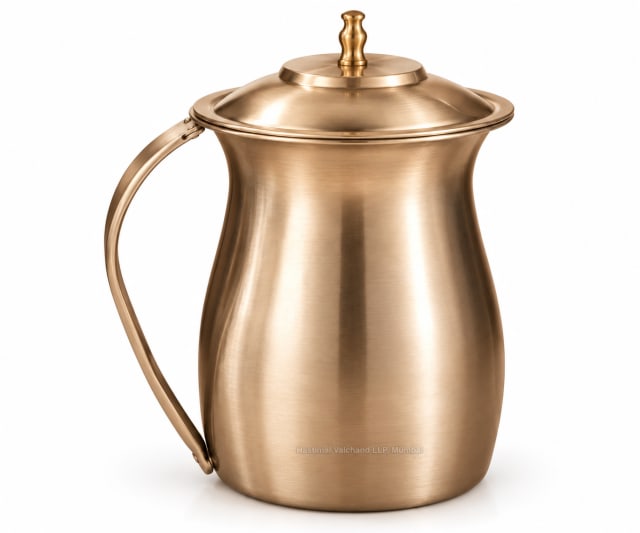
HV506Kansa
HV327Kansa
HV364Kansa
HV365Kansa

Sizes: 500ml · 700ml · 1200ML
HV330Kansa
HV360Kansa
HV362Kansa

HV516Kansa
HV328Kansa
HV329Kansa
HV361Kansa
HV396Kansa

HV358Kansa
Sizes: Medium · Small
HV359Kansa
Stainless steel is the practical choice for heavy daily use and the dishwasher. Kansa is the traditional choice for the table: heavier, warmer in colour, and washed by hand. As a high-tin bronze, kansa can crack if dropped on stone, where steel would dent. Many kitchens cook in steel and serve on kansa.
Kansa is widely used without a tin lining for serving and eating: thalis, bowls and glasses. Sources disagree on cooking in kansa and on storing sour food in it. The common advice is to use kansa mainly for serving and eating. Don’t leave sour food standing in it for long.
Wash with mild soap and water and dry at once with a cloth. To restore the shine, rub with tamarind, lemon and salt, or a fine ash-based cleaner, then rinse and dry. Avoid steel scrubbers, which scratch the surface.
Kansa is a high-tin bronze: hard, but less tough than steel or brass. A drop onto stone or tile can crack it where steel would only dent. A crack after a fall is not by itself a sign of fake kansa. Handle and stack it like fine tableware.
Yes. We ensure the purity of every piece we supply: solid brass, pure copper and genuine kansa, never plated steel or a mixed metal passed off as one of them. Each product page names its metal. If your order also needs a laboratory test report, say so in the enquiry.
Ayurveda traditionally recommends storing water in copper and eating from kansa, the bell metal. Brass has long been used in Indian kitchens and rituals. These are traditional beliefs, not clinical evidence. For any health question, consult a doctor.